
I have had the privilege of working with nonprofit organizations and their leaders through some of their most important moments of change. I am continually inspired by the commitment these leaders bring to their missions, the communities they serve, and the impact they are working to create. That is why I believe succession planning belongs in every organization’s strategic thinking. As an executive search professional, I recognize the irony in advocating for succession planning. Developing future leaders and building the talent needed to sustain the mission is far more important than any single search.
When an organization has been led successfully—particularly by a founder or long-serving CEO—it is easy to focus on everything that is working today. One of the most important responsibilities of leadership, however, is ensuring that the organization can continue to thrive tomorrow. A leadership transition should not put years of progress, relationships, institutional knowledge, or mission impact at risk.
Yet succession is one of the conversations nonprofit boards and CEOs often find hardest to have. For a CEO, particularly someone who has built or led an organization for many years, the discussion can feel deeply personal. For a board, raising succession with a valued CEO can feel uncomfortable or even disloyal. As a result, the conversation gets deferred.
Succession planning is not about pushing a successful leader out. It is about protecting what that leader and the organization have built. Research and thinking from The Bridgespan Group, Stanford Social Innovation Review, Third Sector Company, and Harvard Business Review reinforce the same point: the strongest leadership transitions begin long before anyone launches a search.
Start With the Mission and the Future
When boards begin thinking about succession, there is a natural tendency to start with the person currently in the role: What made this CEO successful? Who might be able to replace them? Is there someone internally who could step in? I would encourage boards to start somewhere else: start with the future of the organization.
Where is the organization going over the next three to five years? What will be changing? What new opportunities or challenges are ahead? Perhaps the organization is growing, becoming more dependent on philanthropy, entering a more complex funding environment, expanding geographically, moving into new programs or business lines, adapting to the opportunities and challenges created by AI, or managing a larger workforce. A move into a new service area or business model may require leadership experience the organization has never needed before. Then ask: what leadership capabilities will we need to succeed in that environment?
Bridgespan’s work on succession planning emphasizes connecting future leadership needs directly to organizational strategy. The next CEO should not automatically be a replica of the current one. A leader may have been exactly what the organization needed for the last decade and still not represent what it needs for the next. A transition creates a rare opportunity to examine that question thoughtfully.
“As the leader of a mission-driven institution, you have a proactive responsibility to ensure stability and sustainability. In the longer run, you should be developing someone to succeed you. This, of course, is counter-intuitive: self-interest prompts you to make yourself indispensable. But the truth is that it’s not about you. If you care about the mission of the organization you lead, you must put it above yourself.”
Build the Bench Long Before You Need It
I encourage CEOs to think about whether they are developing people who could someday take their jobs. That can sound threatening, but I believe it is exactly the opposite. It is one of the clearest signs of strong leadership.
Too often, talented nonprofit executives are not given the opportunities they need to prepare for broader leadership. Give strong leaders stretch assignments. Let them lead across functions. Bring them into strategic discussions. Give them exposure to fundraising, finance, operations, external stakeholders, and the board.
Succession planning should also consider the strength and composition of the leadership team around the CEO. No leader brings every skill an organization needs, and strong CEOs intentionally hire people whose experience complements their own. That becomes particularly important when an internal candidate is being considered for succession. The person stepping into the CEO role may bring a different set of strengths, and the role they leave behind may need to be filled by someone with capabilities that complement the new CEO. Succession planning, therefore, is not only about preparing one individual; it is also about thinking ahead to the leadership team the organization will need around them.
If you believe someone inside the organization has genuine CEO potential, give that person enough time to prove it. I have seen organizations identify a likely successor, move that person into a President, COO, or similarly senior role, and then have the CEO leave six months later. That is rarely enough time for the individual to demonstrate enterprise-wide leadership or for the board to see firsthand how they think, make decisions, and lead.
That does not mean promising anyone the CEO position. Good succession planning creates options. Give strong internal candidates meaningful responsibility and enough runway to grow, while giving the board the exposure it needs to make an informed decision when the time comes.
The CEO and Board Both Have Responsibilities
Succession planning works best when the CEO and board approach it as partners, but their responsibilities are different. The board ultimately owns CEO succession. Selecting, supporting, evaluating, and planning for the succession of the chief executive are fundamental governance responsibilities.
At minimum, the board should know what happens if the CEO unexpectedly cannot lead the organization tomorrow. There should be an emergency succession plan, clarity about who assumes authority, and an understanding of the strengths and vulnerabilities of the senior team. The discussion should also go further, with the board and CEO periodically assessing future leadership needs and the depth of the internal team.
Third Sector Company describes succession planning as “governance in action,” a phrase I think captures this well. It belongs alongside strategy, financial sustainability, and risk as a core part of the board’s responsibility for the organization’s long-term health.
The CEO has an equally important responsibility: leave the organization capable of succeeding without you. If all of the major donor relationships belong to the CEO, if only the CEO knows the organization’s key government partners, or if every important decision eventually works its way back to the CEO, there is significant organizational risk no matter how successful the organization appears today. Great leaders build organizations that can continue to deliver on their missions long after they are gone.
How to Start the Conversation
The practical question for many boards is simply: how do we bring this up? I would not recommend that a board chair begin by asking a CEO, “When are you planning to retire?” That frames succession around one individual rather than the organization’s future. Instead, make it about stewardship.
A board chair might say: “As part of our responsibility for the long-term health of the organization, I think we should begin talking about leadership continuity. Where do you see strength on our team today? Where are we overly dependent on you? And what capabilities do you think we will need from our leaders several years from now?”
A CEO can initiate the same conversation: “I am not announcing that I am leaving. But I believe part of my responsibility is making sure this organization is prepared whenever that day comes. I would like us to begin thinking together about what succession readiness should look like.”
Ideally, these conversations happen when the CEO and board relationship is strong and no leadership change is imminent. That is when an organization has the greatest luxury of all: time.
When the Transition Becomes Real
When a CEO announces a departure, there is understandable pressure to move. A search committee forms, a job description is pulled out, and conversations begin about candidates. I would encourage boards to resist moving too quickly.
Before asking “Who?”, return to “What?” What does the organization need now? What has changed since the current CEO was hired? What is strong? What is fragile? Where has the organization become overly dependent on the CEO? What will the next leader inherit? Only then should the board define the leadership mandate and candidate profile, with a clear picture of the capabilities needed to move the organization forward.
Of course, not every transition can be anticipated. A CEO may leave suddenly because of illness, an unexpected opportunity, or another unforeseen circumstance. That is precisely why every organization should also have an emergency succession plan. In those situations, an experienced interim leader can provide stability, give the board time to assess what the organization needs, and prevent a rushed permanent appointment. Ideally, an interim is the exception rather than the succession strategy—but when the unexpected happens, having considered that option in advance can make an enormous difference.
The Transition Does Not End When the New CEO Is Hired

When an internal successor is selected, the handoff itself should be planned as deliberately as the selection process. The incumbent CEO, successor, and board should agree on a transition plan with clear responsibilities and milestones: what knowledge needs to be transferred, which relationships need to be introduced, where the successor would benefit from coaching or exposure, and when decision-making authority will shift. The goal is not simply to have the two leaders overlap; it is to use that time purposefully to prepare the successor to lead independently.
Some of the most consequential succession work happens after the selection. Donor, funder, government, community, and board relationships need to be transferred intentionally. A thoughtful outgoing CEO can help establish the incoming leader in those relationships while gradually allowing the successor to take the lead.
For an internally promoted CEO, there is another issue that is frequently overlooked: their old job. If someone has been running programs, operations, finance, or another major function and is promoted to CEO, address those responsibilities quickly. A new chief executive should not spend the first year trying to do two jobs.
Boards and outgoing CEOs also need to be explicit about what happens after departure. Sometimes a clean break is best. In other circumstances, a carefully defined advisory, fundraising, ambassadorial, or board role can preserve important relationships and knowledge. There is no single right model. What is dangerous is ambiguity. A successor cannot fully lead if staff, donors, or board members continue to treat the former CEO as the real authority.
Succession Planning Is Ultimately About Protecting Impact
There is also a very human side to succession. For someone who has spent decades building an organization, being its CEO is often much more than a job. It is intertwined with purpose, relationships, achievement, and identity. Boards should have empathy for that, and CEOs should give themselves permission to think about what comes next.
Avoiding the conversation does not make the transition easier. In fact, one of the most generous things a successful CEO can do is begin preparing the organization, and themselves, for a future in which someone else leads.
I have spent my career helping mission-driven organizations find leaders, and I care deeply about getting those decisions right. Executive search is only one part of succession. The larger objective is protecting the organization’s ability to deliver on its mission.
A great succession is one in which the organization does not simply survive the departure of a successful leader. It enters its next chapter prepared to become even stronger. That requires CEOs who are willing to build leadership beyond themselves, boards willing to have conversations before they become urgent, and both to recognize that succession planning is not about someone’s departure. It is about the continued success of the mission.
Five Actions Nonprofit Leaders Can Take Now
1. Have the conversation before you need to. Put leadership continuity on the board’s agenda at least annually. A succession discussion does not mean anyone is leaving. It means the board and CEO are doing their jobs.
2. Look forward before looking for a successor. Ask what the organization will need three to five years from now. Let strategy define future leadership rather than recreating the current CEO.
3. Develop leaders and give genuine successors enough runway. Build leadership capacity throughout the organization. If someone may be capable of succeeding the CEO, give them meaningful enterprise responsibility and sustained exposure to the board well before a transition is imminent.
4. Identify where the organization is overly dependent on the CEO. Map critical relationships, knowledge, decision-making, and responsibilities. Begin distributing them before a departure is announced.
5. Create a transition plan, not simply a search plan. Determine how an emergency would be handled, who will lead a planned transition, how internal candidates will be evaluated, how an internal successor would be prepared and supported, how relationships and knowledge will be transferred, and how the incoming CEO will be onboarded.
About the Author
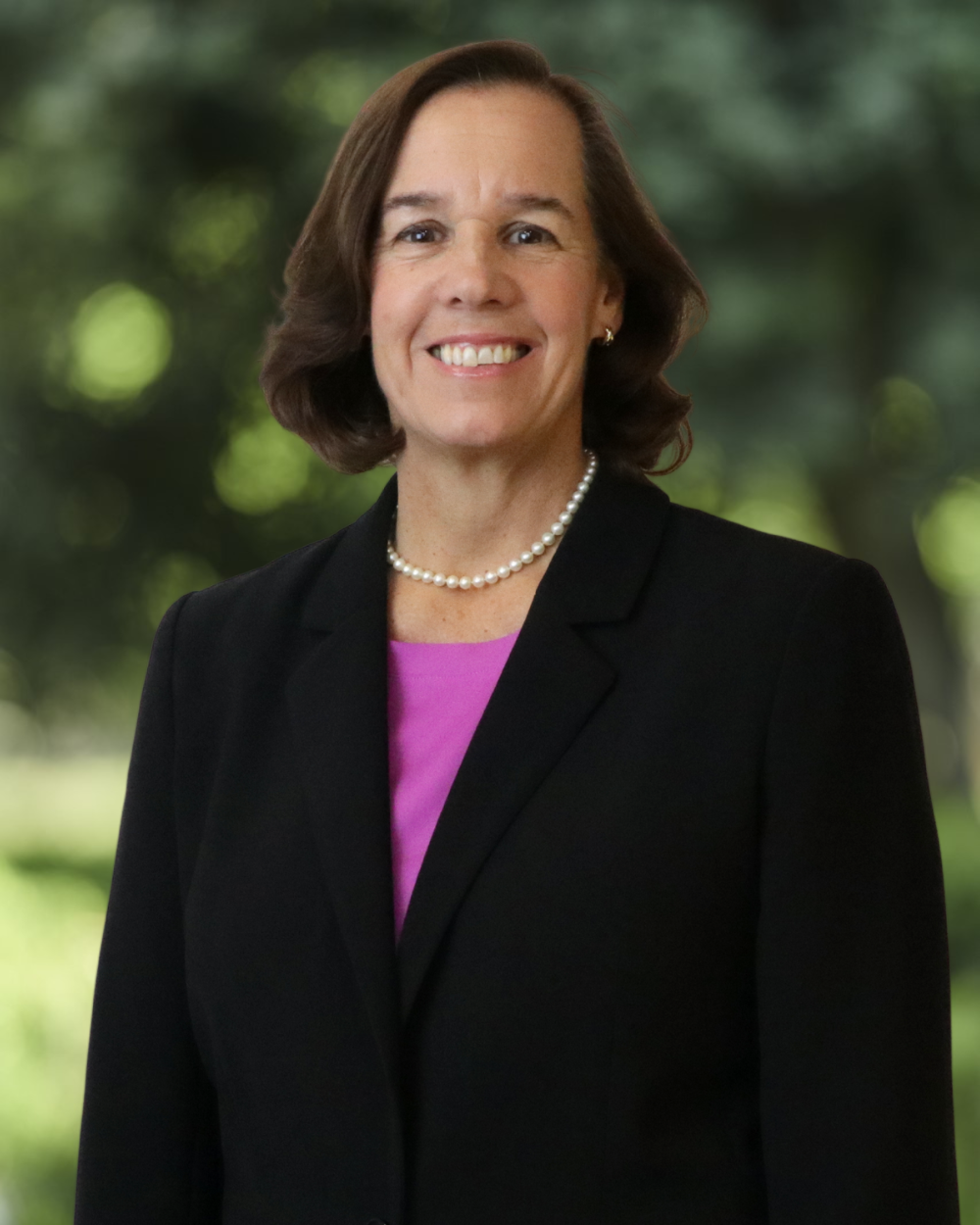
Sue Waterbury
Partner
Sue Waterbury serves as a Partner at McDermott + Bull and is part of the firm’s Education, Non-Profit, + Public Entities Practice, based in New York City, NY. Committed to value, transparency, and diversity, her collaborative approach ensures a thorough and successful search process.
With more than 15 years in executive search, Sue specializes in recruiting transformative leaders for diverse organizations ranging from global enterprises to startup nonprofits. Her expertise spans human services, medical research, advocacy, environmental, education, and healthcare sectors with notable clients like Girl Scouts of Greater New York, Alzheimer’s Drug Discovery Foundation, and Make-A-Wish Metro.