
Most CEOs I work with are exceptional at vision. They can articulate where the company is going, why it matters, and what winning looks like. What they struggle to articulate is why they’re still approving vendor contracts, resolving team conflicts, and sitting in operational reviews that have nothing to do with the future they’re building.
The answer is almost always the same: they don’t have the right person behind them.
A strong #2 isn’t a support hire. It’s a strategic one.
Here’s what I see consistently across growing organizations:
- The CEO is the best operator and the visionary — and that combination becomes the ceiling
- Decision-making slows because everything routes through one person
- The leadership team is capable, but lacks a single point of coordination
- Culture and execution drift apart as the CEO focuses upward and outward
These challenges rarely appear all at once. At first, the CEO’s involvement feels like an advantage. They know the business, move quickly, and can step in wherever they’re needed. As the organization grows, though, those same habits make it harder for other leaders to take ownership. The CEO remains at the center of decisions the team should be able to make without them.
The moment a founder or CEO finally installs the right operational leader beside them, the entire system changes. One client had spent years managing every department directly. Six months after hiring a COO, they were free to pursue partnerships and capital strategy — and the company doubled revenue. The hire didn’t cost momentum. It created it.
Just as valuable, the department leaders had someone who could connect their priorities and keep decisions moving. The CEO could spend more time on the work only they could do, with confidence that execution wasn’t waiting for their attention.
The Visionary–Integrator Flywheel
- The CEO owns the big picture — culture, vision, long-term relationships
- The #2 owns execution — operations, accountability, cross-functional rhythm
- Together, they create alignment that scales faster than either could alone
The #2 doesn’t diminish the CEO. They amplify them.
What makes this hire difficult is that many leaders aren’t sure what to hand off. The exercise I recommend: conduct a Responsibility Audit. List every task and decision currently owned by you. Highlight the ones that could — and should — be owned by someone else. That list becomes the job description.
Be honest about the work you keep pulling back onto your plate, too. If a decision lands with you because no one else has the authority to make it, that’s useful information. The goal is to define a role with real ownership, so the person you hire can do more than manage the CEO’s overflow.
The right #2 isn’t someone who thinks like you. They’re someone who loves doing the things you shouldn’t be doing anymore.
Strong companies aren’t built by one exceptional leader working harder. They’re built when that leader finally finds the person who makes their best work possible.
Second-in-command: the silent source of scalable success.
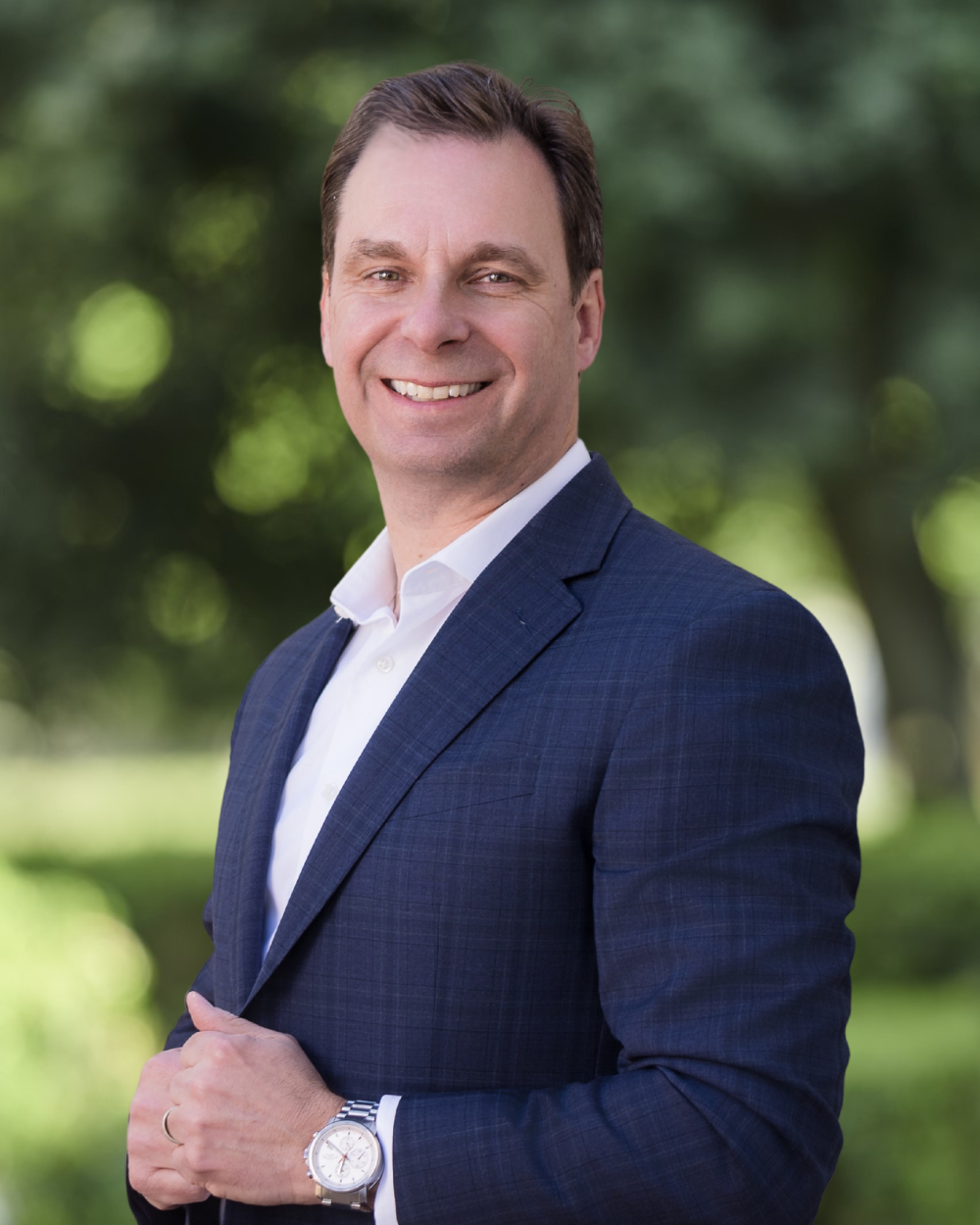
Ken Dropiewski
Partner, Executive Search
dropiewski@mbexec.com
Ken Dropiewski serves as a Partner at McDermott + Bull and is part of the firm’s MedTech and Life Sciences Practice, based in Denver, CO. With nearly 30 years of experience in the MedTech and life sciences industry, Ken is a recognized expert known for his deep industry knowledge and extensive network. As the host of Investor Insights, he has interviewed top venture capital investors in MedTech, including leaders from Vensana Capital, Lightstone Ventures, Broadview Ventures, Santé Ventures, and Glide Healthcare.