I’ve watched this happen enough times now that it’s stopped feeling like an anomaly and started feeling like a pattern.
Someone spends eight, ten, twelve years inside a large private equity fund. They’ve sat through dozens of deal committee meetings, underwritten scores of platforms, sat on boards, worked with operators, watched what works and what doesn’t. And at some point, a light goes on: I know how to do this. I don’t need the fund. I can go find the deal, structure it, and raise the capital myself.
That’s the independent sponsor model, and it’s become a real and growing slice of the private equity world. Instead of raising a committed fund and deploying it across a portfolio, independent sponsors go deal by deal. They find the opportunity first, then line up the capital, often a mix of family offices, high-net-worth individuals, and search-fund-style backers, specifically for that transaction.
It’s a fundamentally different way of doing PE. And it has real consequences for how leadership gets built inside these companies.
Why This Is Happening Now
A few forces are converging:
Carry economics. Inside a large fund, a talented dealmaker is often several layers removed from real ownership economics. Going independent means keeping a much bigger piece of what they build.
LP appetite for co-investment. Family offices and individual investors increasingly want direct exposure to specific deals rather than blind-pool fund commitments. That capital used to be hard to access outside a fund structure. It isn’t anymore.
Track record without infrastructure. The people making this move usually don’t need a platform behind them, since they’ve already built the judgment. What they’re missing is the operating bench a large fund provides: the roster of proven CEOs, CFOs, and functional leaders that a platform can call on when a portfolio company needs help.
That last point is where this gets interesting for us.
The Leadership Gap Independent Sponsors Actually Feel
A traditional PE fund has depth. If a portfolio company’s CFO leaves mid-integration, there’s often an operating partner, a bench of relationships, sometimes even an internal talent function that can move fast.
An independent sponsor doesn’t have that. They may have exactly one deal, one company, one urgent problem, and no institutional bench to lean on. When leadership gaps show up, they show up loud, and there’s no fallback system absorbing the shock.
That’s exactly where interim leadership stops being a “nice option” and becomes the difference between a deal that stays on track and one that doesn’t.
I’ve seen independent sponsors need this in a few recurring situations:
-
-
- Day-one operating leadership. The deal closes and there’s no CEO transition plan, or the seller is exiting faster than expected. Someone credible needs to run the business now, not in ninety days.
- Functional gaps during the first 100 days. Finance, ops, or commercial leadership turns over right when the integration plan needs it most.
- Bridging to a permanent hire. The sponsor knows exactly who they want long-term, but that search takes months, and the business needs someone steering it now, not once the process wraps up.
-
In every one of those cases, the sponsor doesn’t have a Rolodex of proven operators sitting on a shelf. They need a search partner who does.
What This Means for How We Hire and Who We Look For
This shift is changing the profile of the interim leader who succeeds in these situations. It’s not the same profile that thrives inside a big, well-resourced platform company.
The leaders who do well parachuting into an independent-sponsor-backed business tend to have:
-
-
- Comfort with ambiguity. There’s no big finance team, no established playbook, sometimes not even a functioning org chart yet.
- A generalist instinct. You may be running the P&L and also negotiating with the landlord and also fixing the ERP rollout, in the same week.
- Speed of trust-building. With no institutional history to lean on, the interim leader has to earn credibility with employees and the sponsor almost immediately.
- A bias toward action over process. These situations reward someone who can stabilize first and formalize later, not someone who wants to build committees before making a decision.
-
That’s a different hiring filter than the one we’d apply for, say, a CFO stepping into a mature, well-capitalized platform with an established finance organization already in place.
The Opportunity in Front of Us
Independent sponsors are becoming a bigger part of the deal landscape every year, and most of them are learning, often the hard way, mid-crisis, that they need a trusted partner for leadership before the deal closes, not after something breaks.
That’s the conversation I want to be having earlier. If you’re an independent sponsor, or you work with one, the best time to talk about interim leadership isn’t the week your first hire falls through. It’s during diligence, when we can help you think through where the real leadership risk sits in the deal, and have someone ready before you need them.
The independent sponsor model is only going to keep growing. The firms and search partners who understand what makes it different, less infrastructure, more speed, more personal exposure for the people running the deal, are the ones who’ll actually be useful when it matters.
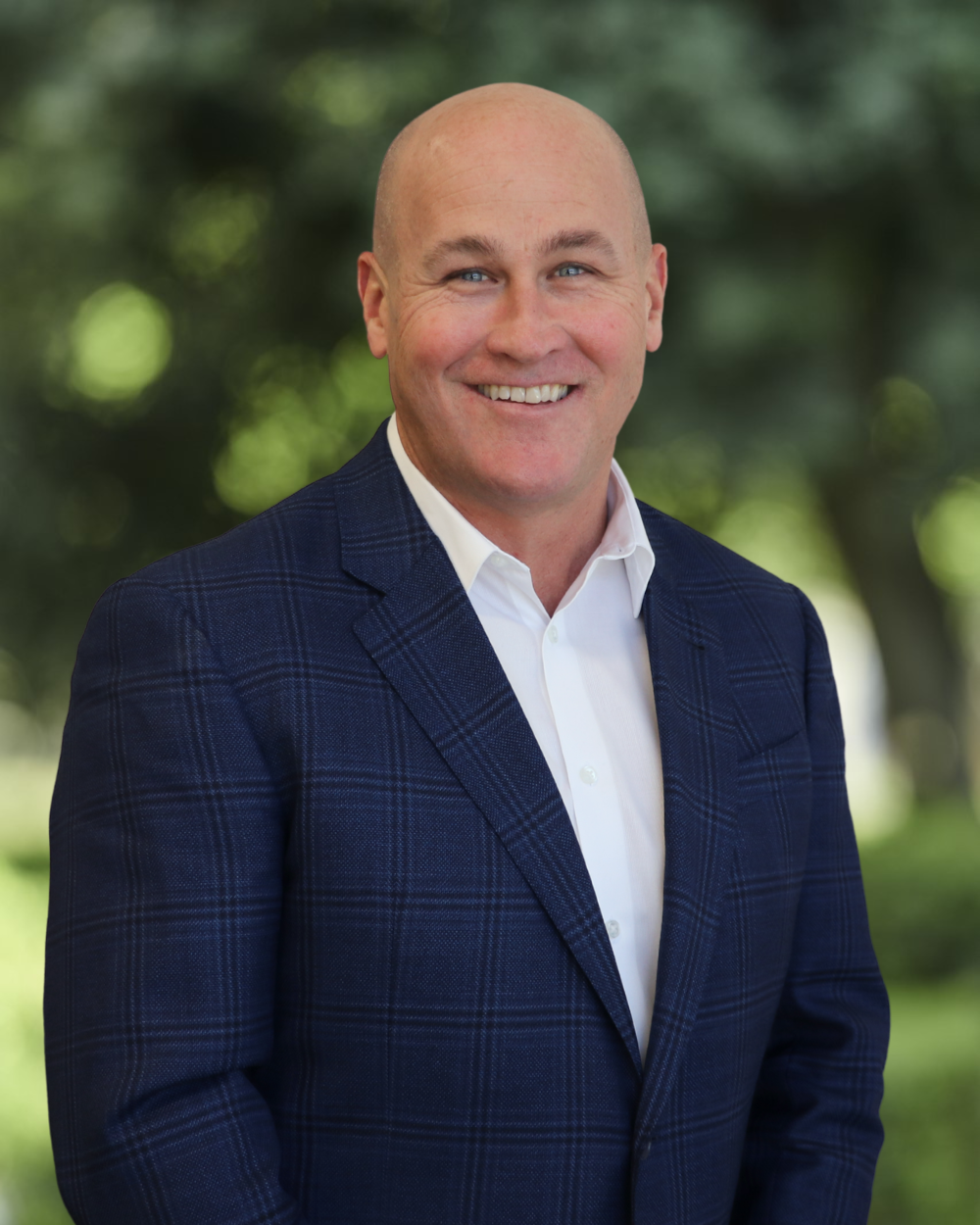
Chris Clarke
Managing Director, McDermott + Bull Interim Leaders
cclarke@mbexec.com
Chris Clarke serves as Managing Director at McDermott + Bull Interim Leaders, based in Chicago, Illinois. Chris partners with C-suite leaders and private equity sponsors to place experienced interim executives who help organizations address complex business challenges, stabilize operations, and execute key strategic priorities. He brings nearly a decade of experience in executive consulting, interim leadership, and enterprise talent solutions, working closely with senior leadership teams to deliver experienced executives during critical business moments.