
The way organizations build and deploy executive leadership is changing in a fundamental way. A recent Forbes analysis, drawing on workforce intelligence data from Revelio Labs, found that the share of new executive positions referencing fractional work has tripled since 2018. What was once considered a niche or transitional arrangement has become a legitimate and increasingly strategic model for how companies access leadership capability.
From my vantage point, this shift reflects something more than a hiring trend. It reflects a recalibration in how both companies and senior executives think about value, commitment, and what effective leadership actually requires in today’s market.
A Model Built for How Companies Actually Operate
For organizations, the case for fractional leadership is grounded in practicality. Executive compensation represents a significant fixed cost, one that remains on the balance sheet regardless of business conditions.
Fractional leadership converts that cost into a variable investment. Companies can access senior talent when and where they need it, and scale that investment as circumstances evolve.
Speed is equally important. A traditional C-suite search can take four to six months from the time a role opens to having someone fully operational. In periods of growth, transition, or uncertainty, that timeline carries real risk. Fractional leaders can be engaged within weeks. They bring well-established functional expertise, enabling them to add value immediately rather than spending months building internal credibility.
This is particularly relevant for investor-backed businesses facing discrete, high-stakes challenges: a fundraise, a recent acquisition, a leadership gap during a transformation, or the need to build out a function that does not yet exist. These various scenarios bring challenges that require a highly seasoned professional that can jump in and make an immediate impact.
Experienced Executives Are Choosing This Path Intentionally
This trend is not being driven by companies alone. Senior executives are actively choosing fractional models for their own reasons, and the motivations are substantive.
The Forbes analysis points to a meaningful redefinition of what career stability looks like for today’s senior leaders. Shorter executive tenures, broader organizational change, and the erosion of traditional job security have prompted many experienced leaders to rethink their relationship with full-time employment. Portfolio-style careers offer something that a single employer rarely can: diversified income, control over the types of problems they take on, and the ability to build a compounding track record across multiple industries and business models simultaneously.
These are not executives stepping back from ambition. Their expertise is in demand, and they are choosing the environments and problems where it will matter most.
The Case for Fractional Leadership is Now Structural
This shift is durable because the incentives align on both sides. Companies gain flexibility, speed, and access to specialized expertise without long-term fixed commitments. Experienced executives gain agency, variety, and a more resilient form of professional stability. When both parties want the same thing, adoption doesn’t just grow, it compounds.
For investor-backed businesses, the question is no longer whether fractional leadership belongs in the talent strategy. The focus now is where it creates the most leverage within the leadership team and how to deploy it effectively at every stage of growth.
The organizations that answer that question thoughtfully will be better positioned to move faster, lead through complexity, and build the kind of executive bench that sustains growth over time.
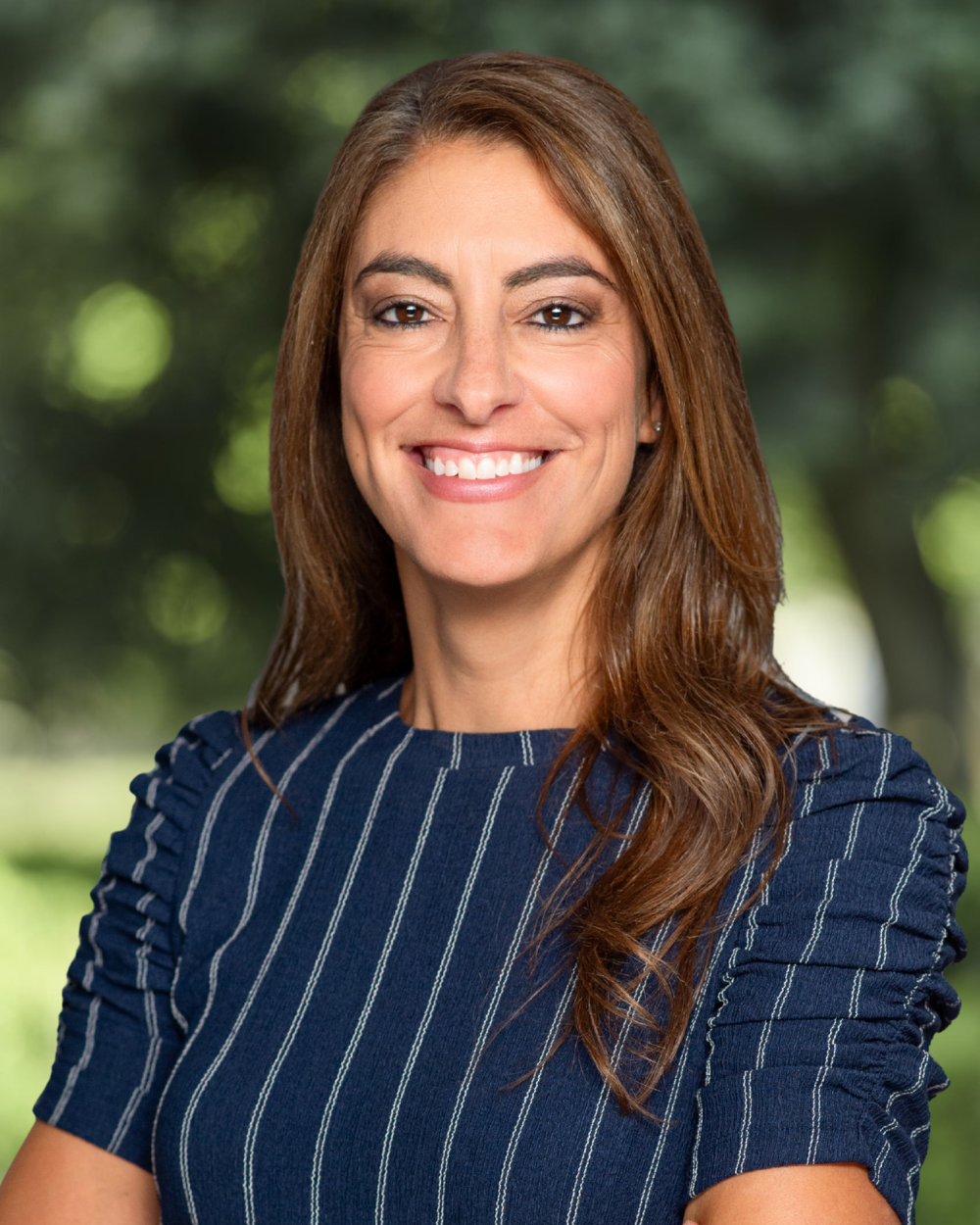
Veronica Maceira
Managing Director, McDermott + Bull Interim Leaders
vmaceira@mbexec.com
Veronica Maceira serves as Managing Director at McDermott + Bull Interim Leaders, based in New York, NY. She partners with clients who require on-demand consulting resources to bridge leadership gaps and propel their business forward. Veronica holds over 20 years of experience in business development and legal services, working with a diverse range of clients, serving emerging and middle-market companies and private equity firms broadly across industries and functional areas.